
Many business owners hear that “SEO is dead” or that AI search changes everything, and it is hard to know what to believe. The reality is more balanced. Understanding AI search vs traditional search helps you decide where to invest your time and budget. Here is how Traditional SEO vs. AI Search Optimization compare, and how to use both.
What Is Traditional SEO?
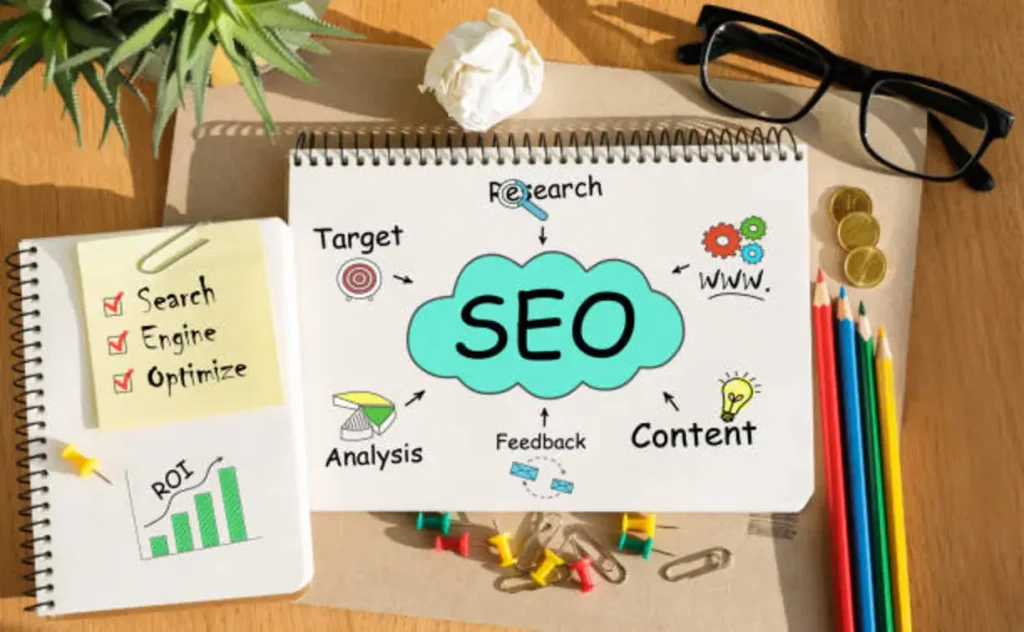
Traditional SEO is the practice of improving your website so it ranks higher in search engine results for the keywords your customers use. It covers technical fixes, on-page optimization, quality content, local listings, and backlinks. The goal is to earn a strong position in the results list and win the click. Strong organic search rankings still drive qualified visitors, enquiries, and sales for businesses of every size, which is why this foundation remains essential.
What Is AI Search Optimization?
AI search optimization focuses on making your content easy for AI systems to understand, trust, and quote. Instead of competing only for a position in a list, you compete to be a source in the answer itself. This requires clear direct answers, structured data, consistent business information, and visible expertise. You can learn more about this approach through Dextelite’s AI search optimization service.
AI Search vs Traditional Search: Key Differences
The two approaches share many fundamentals but differ in what they target and how success is measured.
| Traditional SEO | AI Search Optimization | |
| Main goal | Rank in the results list | Be cited in AI-generated answers |
| Typical query | Short keywords | Longer, conversational questions |
| Success measure | Rankings, clicks, traffic | Mentions, citations, AI search visibility |
| Content style | Keyword-focused, comprehensive pages | Answer-first, clearly structured, factual |
| Key signals | Backlinks, relevance, technical health | Authority, clarity, structured data, consistency |
| User journey | Click to a website | Answer first, click optional |
How Organic Search Rankings Are Changing
Organic search rankings still matter, but the results page looks different than it used to. AI summaries now appear above traditional listings for many queries, which can push standard results further down the page. Some users get what they need from the summary, while others click a cited source for more detail. Ranking well gives you a better chance of being selected as a source, so strong SEO supports your AI presence rather than competing with it.
Why AI Search Visibility Is the New Opportunity
AI search visibility describes how often your brand is mentioned or cited in AI-generated answers. Because these tools tend to reference a small group of trusted sources, being included can build awareness before a customer ever visits your site. This is especially valuable for businesses where people research carefully before choosing, such as professional services, healthcare, and technology. Tracking this visibility is a new but increasingly important part of measuring marketing performance.
Content Optimization for AI
Content optimization for AI starts with writing for real questions. Place a clear, direct answer near the top of each page, then support it with detail, examples, and evidence. Use headings that mirror how people ask, add short FAQ sections, and keep your claims accurate and specific. Structured data helps machines understand your pages, while author details, reviews, and case studies show real experience. These habits improve the reading experience for people too, which helps traditional rankings as well.
What Traditional SEO and AI Optimization Share
Despite their differences, both approaches depend on the same core foundations:
- High-quality, original content that genuinely helps the reader
- A fast, mobile-friendly, technically healthy website
- Clear site structure and proper headings
- Trust signals such as reviews, case studies, and expert authorship
- Consistent business information across the web
Because of this overlap, most businesses do not need two separate strategies. They need one well-planned strategy that covers both.
Getting Started With Both
Begin with a solid base: a technically sound website, helpful service pages, and accurate local listings through professional SEO work. Then layer on AI-friendly improvements such as direct answers, FAQ sections, and schema markup, and test your main topics in AI tools to see if your brand appears. For example, Dextelite helped a Manhattan law firm reach 34% of AI responses in its practice area, with 8 consultations tracked directly from AI search. Results build gradually, so consistency matters more than quick fixes.
Frequently Asked Questions (FAQs)