SEO vs GEO: What’s the Difference?
Search is changing.
For years, businesses have focused on one main question:
“How do I get my website to rank on Google?”
Today, there is another question becoming increasingly common:
“How do I make my brand visible when people search through AI?”
That’s where two terms come into the conversation:
SEO and GEO
SEO stands for Search Engine Optimization, while GEO generally refers to Generative Engine Optimization.
They sound similar, and they do overlap. But they focus on different search experiences. This is where the real difference between SEO and GEO comes in.
So, what’s actually the difference between SEO and GEO?
Let’s break it down.
What Is SEO?
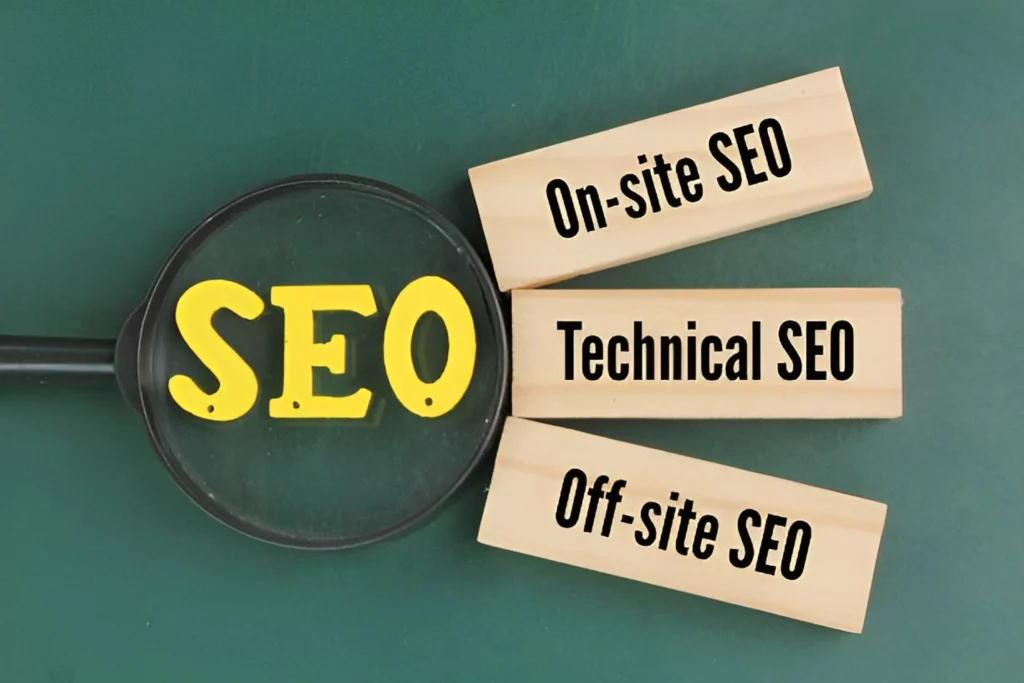
SEO is the process of improving your website and online presence so that your pages can appear prominently for relevant searches.
For example, if you run a digital marketing agency, you might want people searching for:
- Digital marketing agency
- SEO agency
- Local SEO services
- AI SEO agency
- SEO agency for small businesses
to discover your website.
SEO involves much more than adding keywords to a page.
It can include:
- Keyword research
- Technical SEO
- On-page optimization
- Internal linking
- Content creation
- Website structure
- Link building
- Local SEO
- Ecommerce SEO
- Page experience
- Search intent
The overall goal is simple:
Help the right people find useful information through search.
What Is GEO?
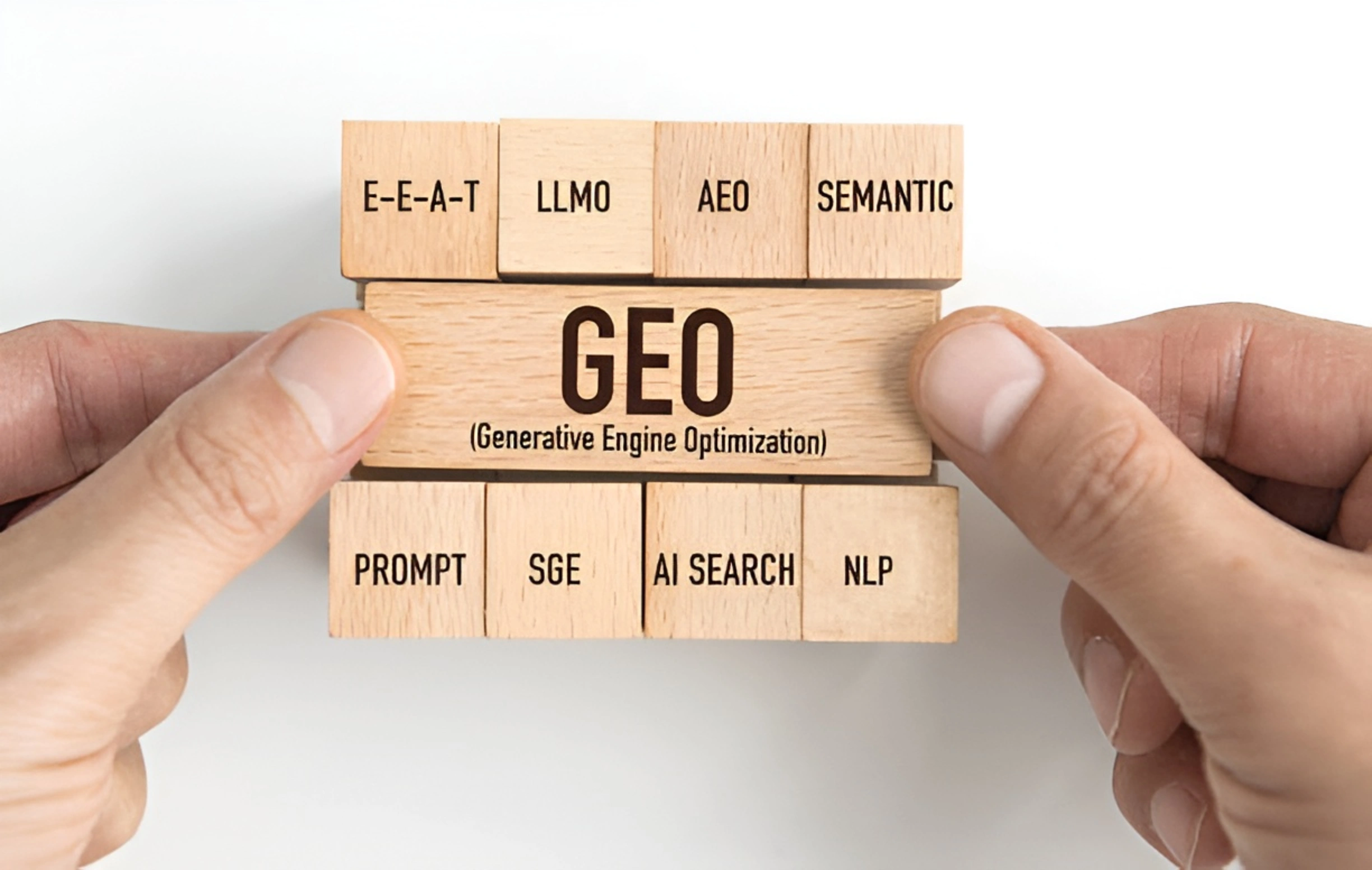
GEO stands for Generative Engine Optimization.
It refers to optimizing content and a brand’s online presence for visibility in generative AI search experiences in simple words, AI search optimization.
Instead of only thinking about Google’s traditional search results, you’re also thinking about platforms and experiences where users ask questions and receive AI-generated answers.
For example, instead of searching:
“Best SEO agencies for small businesses”
someone might ask an AI search tool:
“I run a small business and need help with SEO. What type of agency should I hire?”
The system may generate a detailed response instead of simply displaying ten blue links.
GEO is concerned with how your content or brand can be represented and referenced in those kinds of answers, and this is exactly what improves your overall ai visibility.
Research into GEO has specifically explored ways of improving the visibility of webpages in generative-engine responses.
SEO vs GEO: The Main Difference
The easiest way to understand the difference is this:
SEO focuses on visibility in search results.
GEO focuses on visibility within AI-generated answers and generative search experiences.
Here’s a simple comparison:
| SEO | GEO |
| Search Engine Optimization | Generative Engine Optimization |
| Focuses on traditional search visibility | Focuses on generative AI visibility |
| Often targets keywords and search intent | Often considers conversational questions and prompts |
| Aims to improve webpage rankings and discovery | Aims to improve the likelihood of being surfaced, referenced, or cited |
| Technical SEO is important | Technical SEO still matters |
| Content quality matters | Content quality matters |
| Authority and relevance matter | Authority, relevance, and reliable information matter |
The important part?
There is a lot of overlap between SEO and GEO.
Does GEO Replace SEO?
No.
This is probably the biggest misconception surrounding GEO.
You don’t need to stop doing SEO because people are using AI search.
Google’s current documentation says that its generative AI search features are built on its core Search ranking and quality systems, meaning SEO best practices continue to be relevant.
Think of it this way:
SEO is the foundation.
GEO adds another layer of consideration for how your content and brand may appear in generative search experiences.
If your website isn’t crawlable, your important pages aren’t indexed, your content is poor, and your website doesn’t clearly explain what you do, adding a few “GEO tactics” won’t magically solve the problem.
SEO Focuses on Keywords. GEO Goes Beyond Keywords.
Keyword research remains extremely useful.
For example, you might optimize a page around:
“Local SEO services.”
But when people use AI tools, they may ask much longer and more conversational questions.
For example:
“I own a dental clinic. How can I get more patients from Google Maps?”
Or:
“What should a small local business do to improve its visibility on Google?”
These aren’t necessarily traditional keyword phrases.
They’re real questions.
This means your content strategy should not only target keywords. It should also answer the questions your customers actually ask, which is a core part of doing effective SEO for AI search.
SEO Optimizes Pages. GEO Considers the Bigger Picture.
Traditional SEO often starts with your website.
And your website remains extremely important.
But when you’re thinking about AI visibility, it’s useful to look beyond a single webpage.
Consider your:
- Website
- Blog
- Business listings
- Reviews
- Social profiles
- Industry publications
- Case studies
- Third-party mentions
- Author information
- Digital PR
- Other relevant online sources
Why?
Because your brand exists across the webnot just on your homepage.
If different sources consistently describe your business, services, expertise, and location, you’re creating a clearer digital footprint.
That can help both people and search systems understand your brand.
Content Still Matters in Both SEO and GEO
Here’s another area where SEO and GEO are very similar.
Useful content wins over content created simply to fill a page.
Imagine you have an article titled:
“What Is Local SEO?”
You could write 1,500 words repeating the same definition.
Or you could actually help the reader.
You could explain:
- How Local SEO works
- Why Google Business Profile matters
- How local rankings work
- What citations are
- How reviews affect local visibility
- Common mistakes businesses make
- What a local SEO strategy looks like
The second approach gives the reader something useful.
Google’s current guidance for generative AI search also emphasizes unique, helpful content rather than trying to manipulate AI systems with specific “GEO hacks.”
What About Technical SEO?
Technical SEO doesn’t suddenly become irrelevant because AI search exists.
Your website still needs to be accessible to search engines.
Important pages should be crawlable and indexable.
Your site structure should make sense.
Internal links should help users and search engines discover related content.
Your pages should work properly on mobile devices.
And your website should provide a good overall experience.
Google specifically states that pages need to be indexed to be eligible for its generative AI search features, and that existing technical SEO best practices continue to apply.
So if someone tells you:
“Technical SEO doesn’t matter anymore because of GEO.”
That’s a red flag.
What About Backlinks?
Backlinks are another area where the conversation becomes complicated.
GEO doesn’t mean:
“Get 1,000 backlinks and ChatGPT will recommend you.”
There is no reliable formula like that.
But relevant links and mentions can contribute to your overall online authority and help people discover your content.
The focus should be on earning relevant, legitimate references rather than creating large volumes of low-quality links.
The same principle applies to SEO.
Quality and relevance matter more than simply chasing numbers.
SEO and GEO Can Work Together
Instead of treating SEO and GEO as two completely separate strategies, think of them as connected.
For example:
SEO
You create a detailed page about:
Local SEO Services
You optimize the page for relevant search intent, improve its technical structure, build internal links, and promote it through relevant channels.
GEO
You make sure the page clearly explains:
- What Local SEO is
- Who needs it
- What services are included
- What results businesses can expect
- What makes your approach different
- Relevant examples or case studies
You also build useful supporting content around Local SEO.
Now you have a stronger information ecosystem.
That’s much more useful than trying to “optimize for AI” by adding a few extra keywords.
What Should Businesses Focus On?
If you’re wondering whether your business should invest in SEO or GEO, start with the basics.
1. Build a strong SEO foundation
Make sure your website can be crawled and indexed, your site structure makes sense, and your important pages are easy to discover.
2. Create genuinely useful content
Answer customer questions instead of writing articles purely for search engines.
3. Build topical depth
Don’t publish one article about a subject and stop.
Build a useful collection of content around your core areas of expertise.
4. Strengthen your brand presence
Make sure your business information is accurate and consistent across relevant platforms.
5. Monitor AI visibility
Search for questions that your customers might ask AI tools.
Then see:
- Does your brand appear?
- Is your business described correctly?
- Are your services understood?
- Are other businesses being mentioned instead?
- Are the sources being cited relevant and trustworthy?
This gives you a practical starting point for understanding your ai visibility.
A Simple Example
Let’s say Dextelite wants to become more visible for AI SEO services.
A traditional SEO approach might include:
Service page → keyword research → on-page optimization → internal links → backlinks → tracking rankings
A broader AI visibility approach could add:
Service page → educational content → real examples → case studies → brand mentions → consistent business information → monitoring AI search results
Neither approach needs to replace the other.
They can work together.
SEO vs. GEO: Which One Should You Choose?
You don’t necessarily have to choose.
SEO continues to be the foundation of organic search visibility.
GEO adds another consideration as users increasingly interact with search through generative AI experiences.
The smarter approach is to build a digital presence that works for both people and search systems one that balances traditional SEO with the growing importance of AI search optimization.
That means:
- Useful content.
- Clear website structure.
- Strong technical foundations.
- Relevant authority.
- Consistent brand information.
- Real expertise.
And most importantly, content that actually answers the questions your audience cares about.
Final Thoughts
SEO and GEO aren’t enemies, and GEO isn’t simply “the new SEO.”
They’re better understood as two ways of thinking about visibility across an evolving search landscape.
SEO helps your website become discoverable through traditional search.
GEO focuses on how your content and brand can be surfaced within generative AI experiences.
And the strongest foundation for both is surprisingly similar:
Create something genuinely useful, make it easy to understand, and build a credible presence around your expertise.
As search continues to evolve, businesses that focus on helping users; not just manipulating algorithms will have a much stronger foundation for staying visible.